Mediterranean Food: 15 Fresh, Healthy Recipes and Easy Meal Ideas
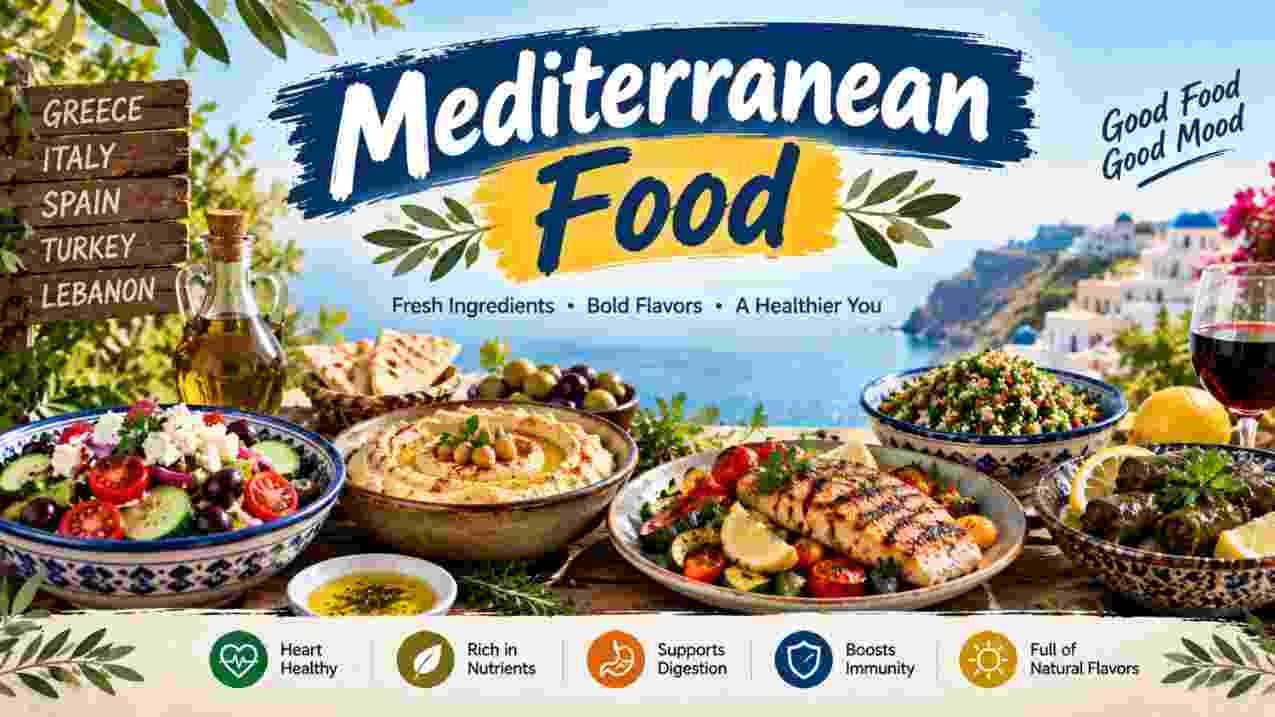
Bright vegetables, creamy hummus, smoky grilled meats, fragrant herbs, olive oil and warm bread make Mediterranean food one of the world’s most appealing ways to eat. It looks colorful on the plate, feels satisfying after a meal and offers plenty of flexibility for busy families, vegetarians and anyone trying to make healthier choices.
Interest in this style of cooking continues to grow because it fits modern life surprisingly well. People want meals that are nutritious without feeling restrictive, affordable without being boring and simple enough for a weeknight. From Greek salad and Turkish lentil soup to Lebanese tabbouleh and Italian pasta, the Mediterranean table offers variety without relying heavily on ultra-processed ingredients.
Why Mediterranean Food Is So Popular in 2026
The popularity of Mediterranean food comes from more than social media photos. It answers several concerns that influence how people eat today.
First, many dishes are naturally rich in fiber, plant-based protein and healthy fats. Second, the ingredients are easy to find in ordinary supermarkets. Tomatoes, onions, garlic, beans, rice, yogurt, lemons and greens can form the base of dozens of meals.
The cooking style also supports flexible eating. You can prepare a vegetarian mezze platter, add grilled salmon for extra protein or serve a small amount of chicken alongside a large salad. This makes the approach useful for different dietary preferences without requiring separate meals.
Home cooks also appreciate how many recipes can be prepared in advance. A container of cooked grains, chopped vegetables, roasted chickpeas and lemon dressing can become lunch, dinner or a quick snack throughout the week.
The Core Ingredients Behind Mediterranean Cooking
Olive Oil
Olive oil is one of the most recognizable ingredients in Mediterranean cooking. It works as a salad dressing, sautéing oil, marinade and finishing touch.
Extra-virgin olive oil adds peppery, fruity flavor to simple foods. Drizzle it over beans, roasted vegetables, toast or soup just before serving. A small amount can make an otherwise plain dish taste complete.
Tomatoes and Peppers
Fresh tomatoes bring acidity and sweetness, while roasted or sun-dried tomatoes create a deeper flavor. Bell peppers are often grilled, baked or cooked into sauces.
Keep cherry tomatoes on hand for salads and grain bowls. Red peppers can be blended with walnuts, garlic and olive oil to create a bold spread.
Chickpeas, Lentils and Beans
Legumes provide affordable protein and fiber. Chickpeas can be mashed into hummus, roasted until crisp or stirred into a tomato stew.
Lentils are excellent in soups and salads because they cook quickly and absorb strong flavors. White beans work well with greens, garlic and lemon, while kidney beans can add substance to grain-based meals.
Herbs, Garlic and Citrus
Parsley, mint, basil, dill, oregano and coriander bring freshness to many recipes. Garlic adds depth, and lemon juice balances rich ingredients such as tahini, cheese and olive oil.
A useful kitchen trick is to use both lemon juice and lemon zest. The juice brings brightness, while the zest adds a fragrant citrus note without extra liquid.
Yogurt, Feta and Tahini
Plain yogurt appears in sauces, marinades and breakfast dishes. Feta adds saltiness to salads and baked vegetables. Tahini, made from ground sesame seeds, is essential in hummus and many creamy dressings.
For a fast sauce, whisk yogurt with lemon juice, minced garlic, salt and chopped mint. For a dairy-free option, combine tahini with water, lemon and garlic until smooth.
15 Mediterranean Food Ideas to Try at Home
1. Greek Salad
Combine cucumber, tomatoes, red onion, olives and feta with olive oil, oregano and red wine vinegar. Avoid soaking the vegetables in dressing too early, or they may become watery.
2. Classic Hummus
Blend chickpeas, tahini, lemon juice, garlic, salt and cold water until smooth. Add olive oil on top and serve with vegetables, pita or grilled meat.
3. Tabbouleh
This parsley-heavy salad traditionally uses bulgur, tomatoes, mint, lemon and olive oil. The herbs should remain the star, while the grain adds texture rather than dominating the dish.
4. Shakshuka
Cook tomatoes, peppers, onions and spices in a skillet, then crack eggs into the sauce. Cover the pan until the egg whites set but the yolks remain soft.
5. Lentil Soup
Sauté onion, carrot and garlic, then add lentils, stock, cumin and tomatoes. Finish with lemon juice and chopped parsley for a hearty bowl that costs little to prepare.
6. Grilled Chicken Skewers
Marinate chicken in yogurt, lemon, garlic, paprika and oregano before grilling. The yogurt helps tenderize the meat while adding a lightly tangy flavor.
7. Falafel
Traditional falafel uses soaked chickpeas, herbs, garlic and spices. Shape the mixture into small patties and bake or fry them, then serve with tahini sauce and salad.
8. Roasted Eggplant
Roast eggplant until soft and browned, then top it with garlic yogurt, tahini or chopped herbs. It can serve as a side dish, sandwich filling or main meal with grains.
9. Mediterranean Pasta
Toss whole-wheat pasta with cherry tomatoes, spinach, olives, garlic and white beans. Finish with lemon zest and a little feta for a fast dinner.
10. Grilled Fish With Lemon
Season salmon, sea bass or another firm fish with olive oil, garlic, lemon and herbs. Serve it with roasted potatoes and a chopped cucumber salad.
11. Stuffed Bell Peppers
Fill peppers with rice, lentils, tomato, onion and herbs. Add feta or toasted pine nuts before baking for extra flavor and texture.
12. Turkish Menemen
Cook tomatoes and peppers in olive oil, then stir in beaten eggs. The result is softer than an omelet and excellent with crusty bread.
13. White Bean and Greens Stew
Simmer white beans with garlic, onions, tomatoes and leafy greens. A splash of vinegar or lemon at the end keeps the stew from tasting heavy.
14. Couscous Grain Bowl
Layer couscous with roasted vegetables, chickpeas, herbs and yogurt sauce. This dish is especially useful for meal preparation because each component stores well.
15. Date and Walnut Snack Plate
Pair dates with walnuts, fresh fruit and a small amount of cheese. This simple combination delivers sweetness, crunch and satisfying fat without complicated preparation.
A Simple Mediterranean Meal Plan
A balanced weekly plan does not require cooking a new recipe every night. Preparation makes the process easier.
Sunday Preparation
Cook one grain, such as brown rice, bulgur or quinoa. Prepare a tray of roasted vegetables, wash salad greens and make one dressing using olive oil, lemon, garlic and herbs.
You can also cook a pot of lentils or chickpeas. Store everything separately so the ingredients remain fresh and can be combined in different ways.
Monday: Grain Bowl
Use cooked grains, roasted vegetables, chickpeas, cucumber and yogurt sauce. Add toasted seeds for crunch.
Tuesday: Fish or Chicken
Serve grilled protein with potatoes, salad and a spoonful of hummus. Keep the seasoning simple with lemon, garlic and herbs.
Wednesday: Meatless Dinner
Make lentil soup, shakshuka or stuffed peppers. These meals are filling because they combine fiber-rich ingredients with bold seasoning.
Thursday: Leftover Wraps
Place leftover vegetables, beans, greens and protein inside whole-grain flatbread. Add tahini sauce or yogurt dressing.
Friday: Mezze Night
Arrange hummus, olives, feta, chopped vegetables, pita and roasted eggplant on a large platter. This relaxed meal is ideal for sharing.
Mediterranean Food Compared With Common Meal Styles
| Meal Element | Mediterranean Approach | Typical Fast-Food Approach |
|---|---|---|
| Main ingredients | Vegetables, beans, grains and lean proteins | Refined grains, fried items and processed meat |
| Main fat source | Olive oil, nuts and seeds | Often butter, shortening or heavily processed oils |
| Flavor profile | Herbs, garlic, lemon and spices | Heavy sauces, added sugar and excess salt |
| Protein choices | Fish, legumes, poultry and yogurt | Fried chicken, burgers or processed meat |
| Portion style | Several balanced components | One oversized central item |
| Preparation | Roasted, grilled, stewed or fresh | Commonly fried or highly processed |
| Meal flexibility | Easily adapted for vegetarian diets | Often requires substitutions |
How to Build a Balanced Mediterranean Plate
Start with vegetables. Aim for half the plate to include salad, cooked greens, tomatoes, peppers, eggplant or other produce.
Next, add protein. Beans, lentils, fish, eggs, yogurt, chicken and tofu can all work. Choose a portion that feels satisfying rather than making meat the entire meal.
Add a whole-grain carbohydrate such as bulgur, brown rice, barley, whole-wheat bread or roasted potatoes. Finish with a small amount of healthy fat, including olive oil, avocado, nuts, seeds, tahini or olives.
This structure keeps meals practical without turning food into a strict mathematical exercise.
Expert Views and Fan Reactions
Nutrition professionals often praise this eating pattern because it emphasizes food quality, variety and balance. Instead of labeling entire food groups as forbidden, it encourages people to eat more vegetables, legumes, whole grains and seafood while keeping highly processed foods occasional.
Home cooks respond to the flavor as much as the nutrition. A salad with lemon, herbs and olive oil does not feel like a compromise. A warm bowl of lentil soup can be inexpensive, comforting and filling at the same time.
Online cooking communities have also helped popularize colorful sharing plates, high-protein hummus bowls and quick one-pan dinners. The visual appeal matters: vibrant ingredients make everyday meals look special without demanding restaurant-level skill.
Still, healthy eating claims should be kept realistic. Olive oil, cheese, bread, nuts and dried fruit are nutritious foods, but they are still energy-dense. Portion awareness remains useful, especially when several rich ingredients appear in the same dish.
Frequently Asked Questions
Is Mediterranean food healthy?
It can be a nutritious eating pattern because it commonly includes vegetables, legumes, whole grains, fish, herbs and healthy fats. Portion size still matters, particularly with bread, cheese, oils, nuts and desserts.
What is the most popular Mediterranean dish?
Hummus, Greek salad, falafel, grilled fish, pasta and shakshuka are among the best-known dishes. Popularity varies by country, since Mediterranean cuisine includes many distinct regional traditions.
Is Mediterranean food suitable for vegetarians?
Yes. Chickpeas, lentils, beans, vegetables, grains, nuts, seeds and dairy provide many vegetarian options. Hummus, falafel, stuffed peppers and lentil soup are easy places to start.
What should beginners cook first?
Begin with hummus, Greek salad, lentil soup or a simple grain bowl. These dishes use accessible ingredients and teach the basic balance of acidity, herbs, texture and healthy fat.
Final Thoughts
Mediterranean food succeeds because it makes everyday cooking feel generous rather than restrictive. A few fresh ingredients, a well-made dressing and a handful of herbs can turn beans, vegetables or grains into a meal worth looking forward to.
The best approach is to start small. Make one sauce, roast one tray of vegetables and prepare one protein or legume for the week. Once those basics become familiar, you can create countless combinations without following a recipe every time.